DG Translation: Making Europe understandable in every language
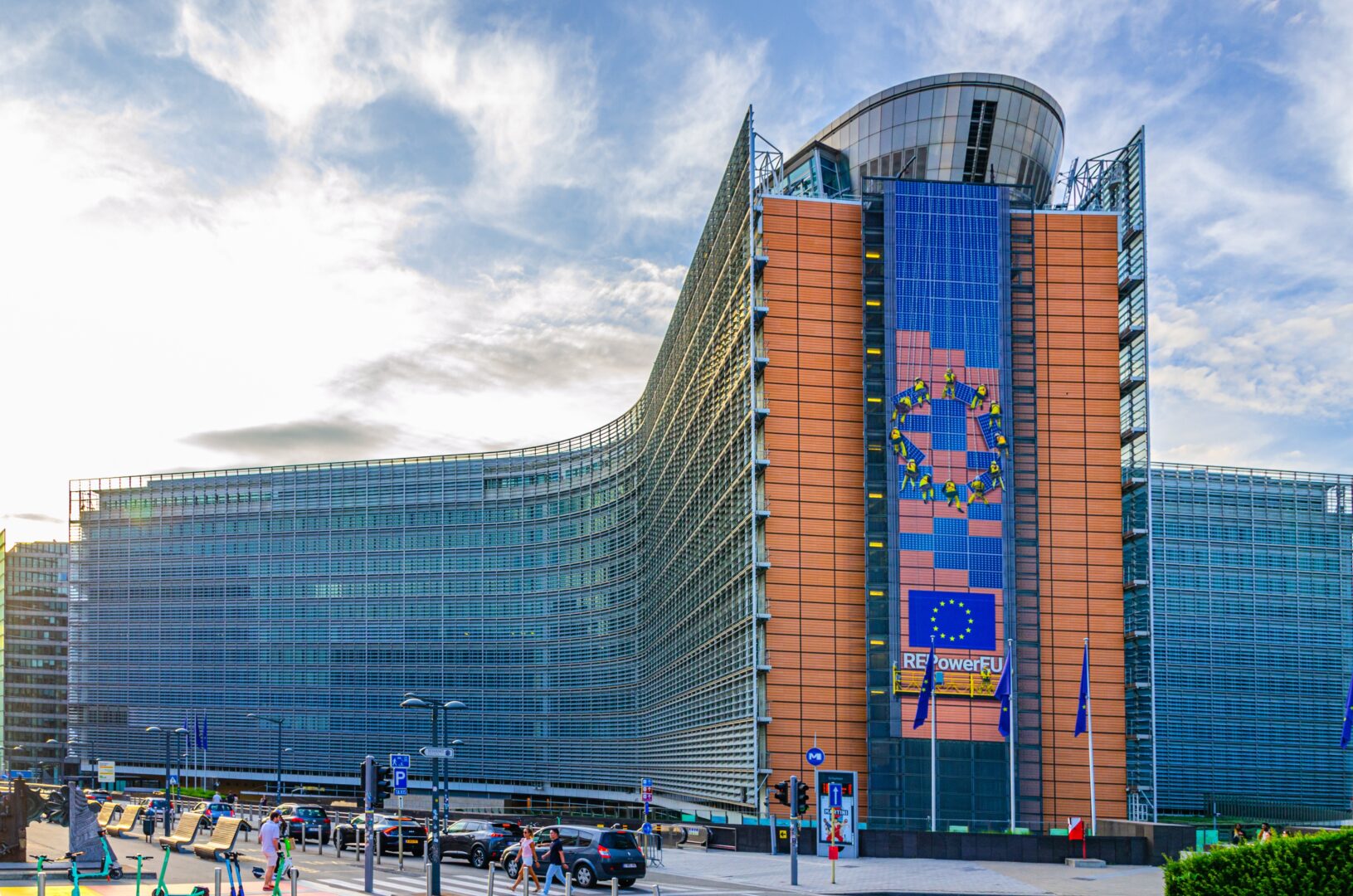
The European Commission is composed of 33 Directorates-General (DGs), which are responsible for fully implementing European laws, each managing a specific policy area. We can think of them as national ministries, divided into four groups: Policy DGs, External Relations DGs, General Service DGs, and Internal Service DGs. Each DG has a Director-General, responsible for day-to-day management, and a European Commissioner responsible for the overall direction of the Directorate-General. Among these is DG Translation, which we have already touched upon when discussing EU multilingualism and the role of languages in democratic participation. Let’s now take a closer look at how this DG is structured and explore some interesting facts.
Why does it matter?
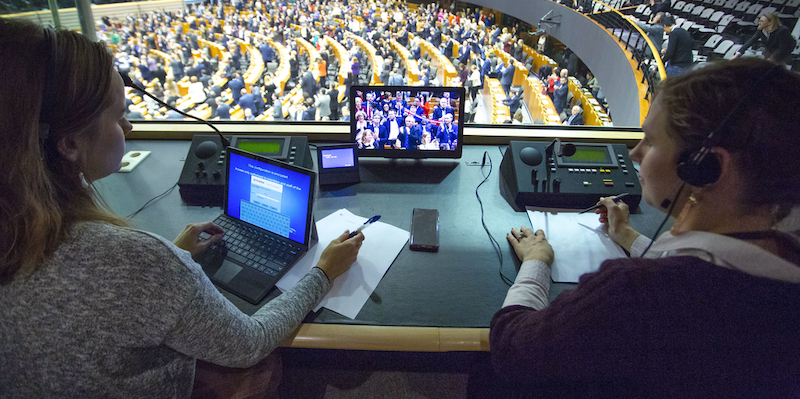
DG Translation is responsible for making all written documents produced by the EU institutions and advisory bodies accessible to officials, policy makers, and all European citizens. After all, laws and communications can only function properly if they are readable and understandable to everyone. As a cornerstone of democracy and transparency, DG Translation translates official documents, reports, laws, and communications into all 24 EU official languages, ensuring that every citizen can access information clearly and accurately.
Who works at DG Translation?
In 2024, according to an official Commission report, 1,944 people were actively working at DG Translation, of which 66% were women and 34% men, distributed across Brussels (43%), Luxembourg (55%), and other Commission representations in EU countries (2%). Around 70% of the staff were directly involved in language work, translating and editing documents, while the rest support administration, IT, and communication. This diverse team combines linguistic skills, technical knowledge, and digital expertise to ensure that EU texts are accurate, clear, and consistent.
How many pages does DG Translation translate?
It is estimated that each year DG Translation translates more than 2.5 million pages. Alongside the manual work of translators, the development of technology and the growing application of artificial intelligence have led EU institutions to use digital tools to make the process more efficient.
For example, DG Translation uses eTranslation, the Commission’s machine translation service, which in 2024 processed a record 763.5 million pages, averaging over 2 million pages per day, with peaks of 7 million. It supports 992 language combinations and has 124,999 registered users outside the EU institutions.
Tools and technology
Translators rely on advanced tools such as translation memories, which allow them to reuse previous translations, and workflow management software, which helps organize projects efficiently. They also use quality checkers to ensure translation accuracy, along with IATE, the EU’s public terminology database, which contains over 6.7 million terms.
Translators as bridges between the EU and its citizens
Language is never just a technical detail. It enables mutual understanding while allowing diversity to be expressed and heard. Translators play a key role in ensuring that EU institutions can communicate their achievements, decisions, and ongoing discussions to citizens and, at the same time, that citizens can be heard equally by the institutions. Translators truly act as a bridge between the two sides. When you read an EU document in your own language, those words are the result of a collective effort to make Europe more accessible, transparent, and truly yours.