The European Parliament: the democratic heart of the EU
Here we are at the EU’s democratic institution par excellence: the European Parliament. Together with the Commission and the Council, it is one of the three pillars of EU decision-making and plays a direct role in the so-called ordinary legislative procedure. But what really makes it stand out is that it’s the only EU institution directly elected by citizens. Yes, that includes you! So no excuses, make sure you vote! (next elections are in 2029).
Over time, the Parliament has gained more and more influence. Since its creation in 1958, successive treaty changes have strengthened its powers, turning it into a key player in European politics. And the debate about how much further its role should evolve is still very much alive.
What does it actually do?
The European Parliament is far from just symbolic. It has a very real impact on how the EU works. First and foremost, it shares legislative power with the Council, meaning it helps adopt European laws that affect millions of people’s daily lives. At the same time, it also shares control over the EU budget, deciding how resources are allocated.
On top of that, the Parliament plays a crucial oversight role, holding other institutions, especially the European Commission, accountable. It also has a say in the EU’s external relations, helping shape how the Union positions itself on the global stage.
How is it organised?
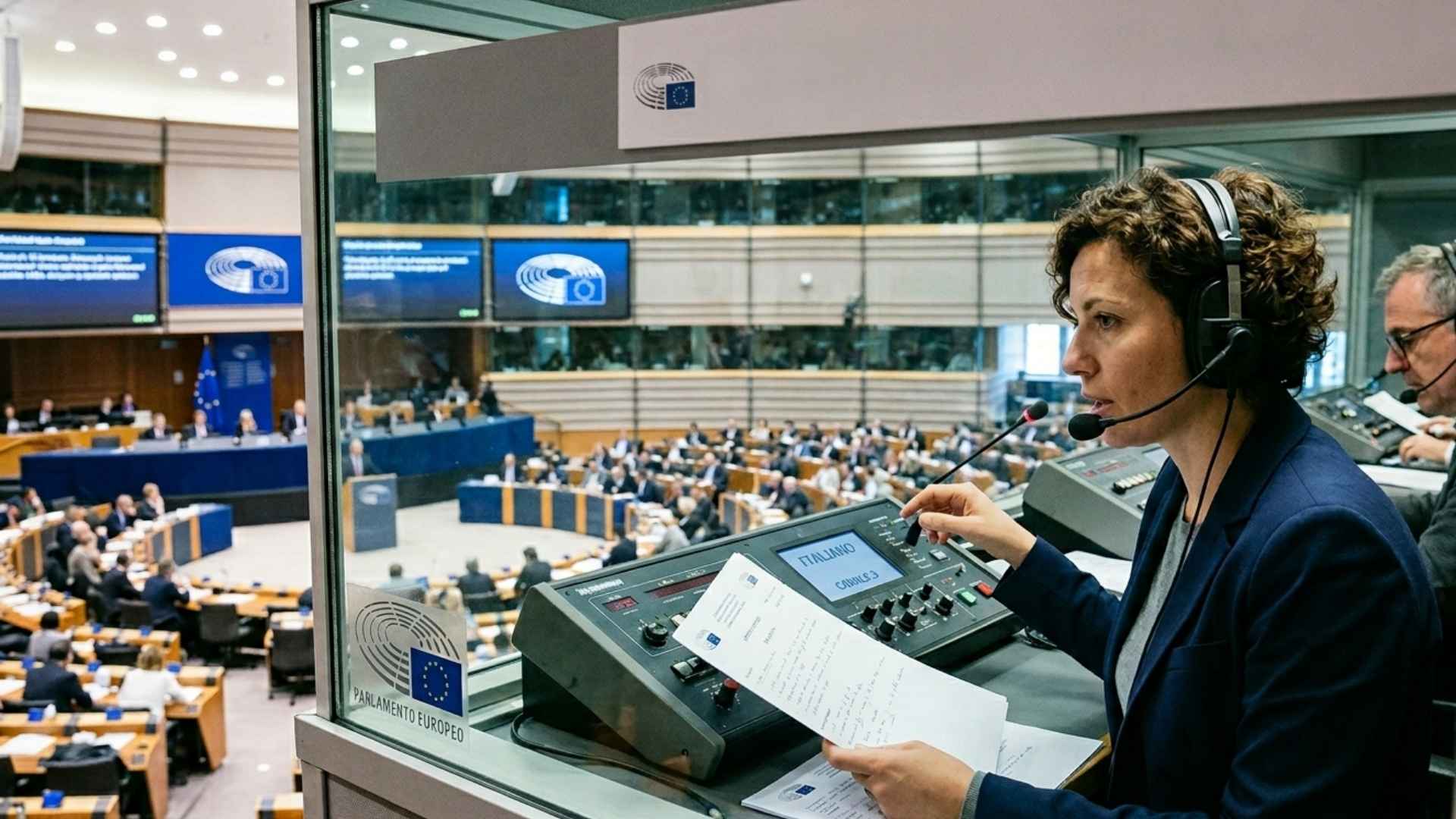
At the top of the Parliament is its President, currently Roberta Metsola, supported by 14 Vice-Presidents and a large administrative structure, including translators and interpreters to keep everything running smoothly across multiple languages.
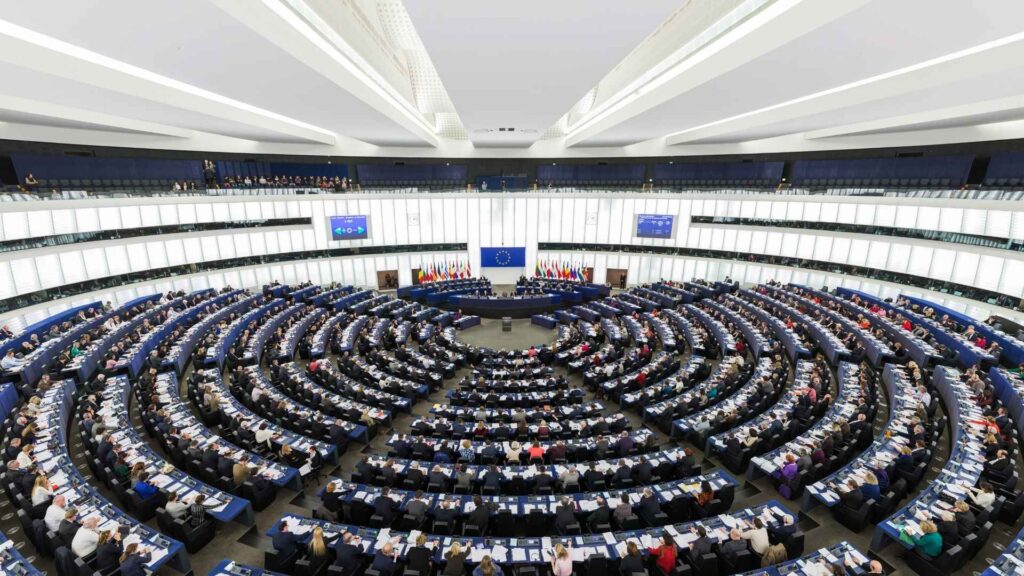
At the core, however, are the 720 Members of the European Parliament (MEPs), directly elected by citizens across the 27 Member States. And here’s an interesting twist: MEPs don’t sit by nationality, but by political affiliation. They are grouped into transnational political families, bringing together like-minded parties from different countries. In other words, debates are shaped more by political ideas than by national borders.
A job that never stands still
Life as an MEP is anything but boring. Their work is split mainly between Brussels, Strasbourg, and their home country. In Brussels, most of the day-to-day work takes place, including meetings, negotiations, and committee work. There are 26 parliamentary committees in total, each focusing on specific policy areas, from agriculture to energy to fundamental rights.
Strasbourg, on the other hand, hosts the plenary sessions, where the Parliament meets to debate and formally vote on its positions. This is a crucial moment, because once a position is adopted, the rapporteur, the MEP responsible for a specific file, uses it to negotiate with the Commission and the Council in what are known as trilogues.
And then there’s the work back home. Since MEPs are elected by citizens, they need to stay connected with them, listen to their concerns, and bring those perspectives into the European debate. Typically, their time is split between two weeks in Brussels, one in Strasbourg, and one in their home country.
What about young people?
The European Parliament isn’t a closed world, far from it! It actively works to engage young people and bring them closer to EU politics. Every year, events, forums, and initiatives give young Europeans the chance to visit the institutions, meet policymakers, and get a real feel for how the EU works.
One of the most well-known opportunities is the Schuman traineeship, offered twice a year, which allows young people to gain hands-on experience in different areas of the Parliament. On top of that, many MEPs offer internships in their offices, often serving as a first step toward a career in the EU institutions.
So, the European Parliament isn’t something distant or abstract. It’s a living, dynamic space, and most importantly, it’s yours. The real question is: are you ready to be part of it?