how a european law is created

Europe is Yours – How a European law is created

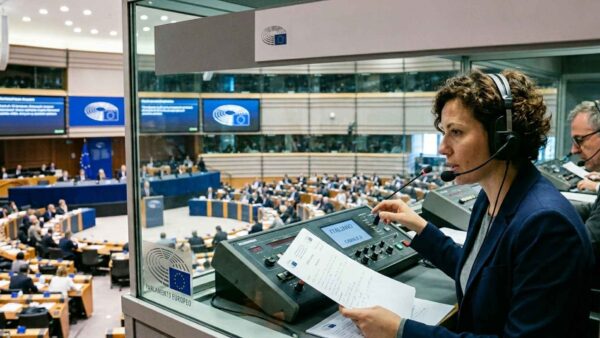
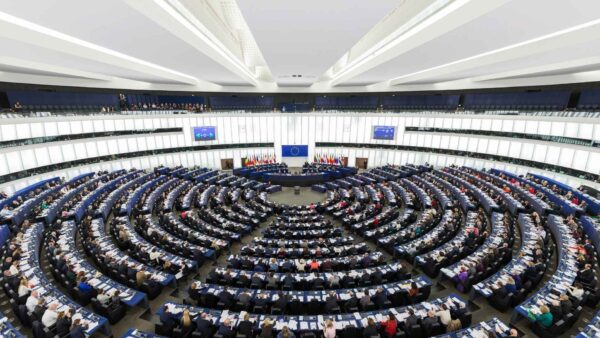
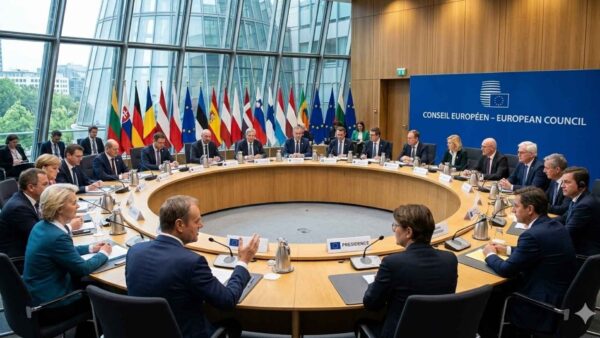
European laws are drafted through a collaborative process involving several EU institutions. The European Commission, the European Parliament, and the Council of the European Union are the main actors, working together to propose, debate, amend, and adopt legislation. Their work is supported by consultative bodies such as the European Economic and Social Committee and the Committee of the Regions, which represent civil society and regional interests and help ensure that EU laws reflect a wide range of perspectives.

european legislative process

Europe is Yours – The European legislative process

European laws are designed to address shared needs across the 27 Member States and to ensure that decisions taken at EU level have a direct impact on citizens’ everyday lives. Understanding this process means looking at why a common legislative framework exists, how a law moves from proposal to approval, and which European institutions are involved at each stage, along with their specific roles.

economic and social committee

Europe is Yours – Your Europe, Your Say! 2026

The European Union is part of our everyday lives, offering countless opportunities for growth. Involving young people and their ideas in EU decision-making is a key priority. One major initiative is Your Europe, Your Say! (YEYS), launched in 2010 by the European Economic and Social Committee to connect students with EU institutions and give them firsthand experience of the legislative process.

blue book traineeship

Europe is Yours – Discover the Blue Book Traineeship at the European Commission’s Directorate-General for Translation

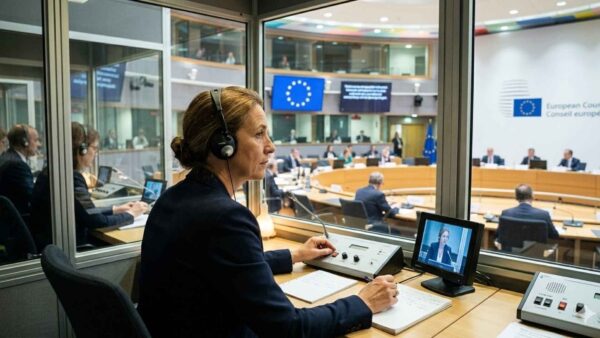
After years of study, you can put your language skills into practice at the European Commission’s Directorate-General for Translation. Twice a year, the Commission offers a five-month traineeship to hundreds of graduates from both the EU and beyond. It’s a chance to experience the institutions from the inside, work in a dynamic environment, and contribute to EU communication across all official languages.