
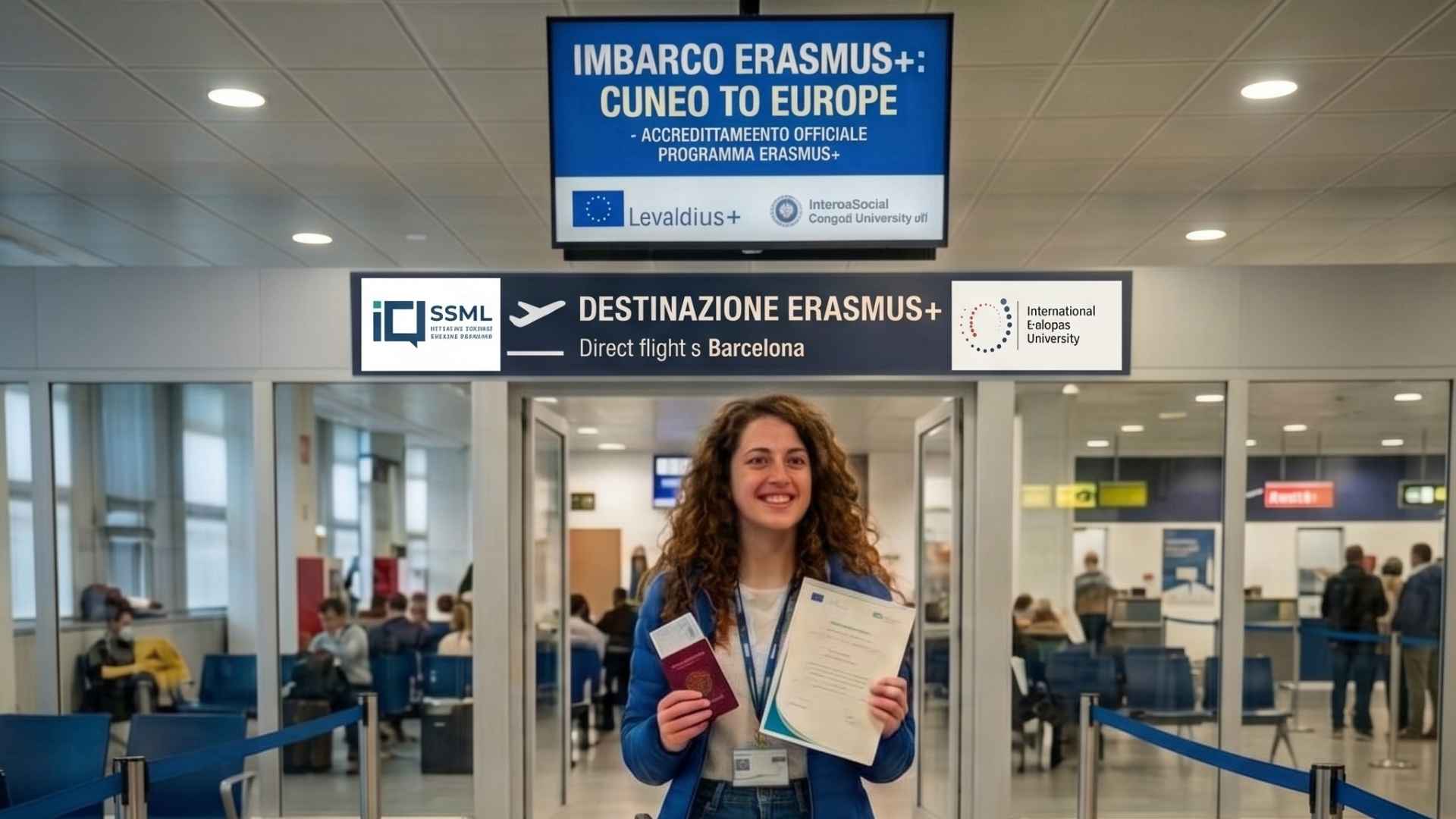
Accreditamento Erasmus+
La SSML di Cuneo Adriano Macagno ha ottenuto l’accreditamento per il programma Erasmus+ La Commissione europea ha ufficialmente accreditato International Campus University srl, ente gestore della SSML di Cuneo Adriano Macagno, per il programma Erasmus+. Il Programma Erasmus+ è un’iniziativa di mobilità promossa dall’Unione Europea che consente agli studenti universitari di svolgere parte del ciclo…
Read article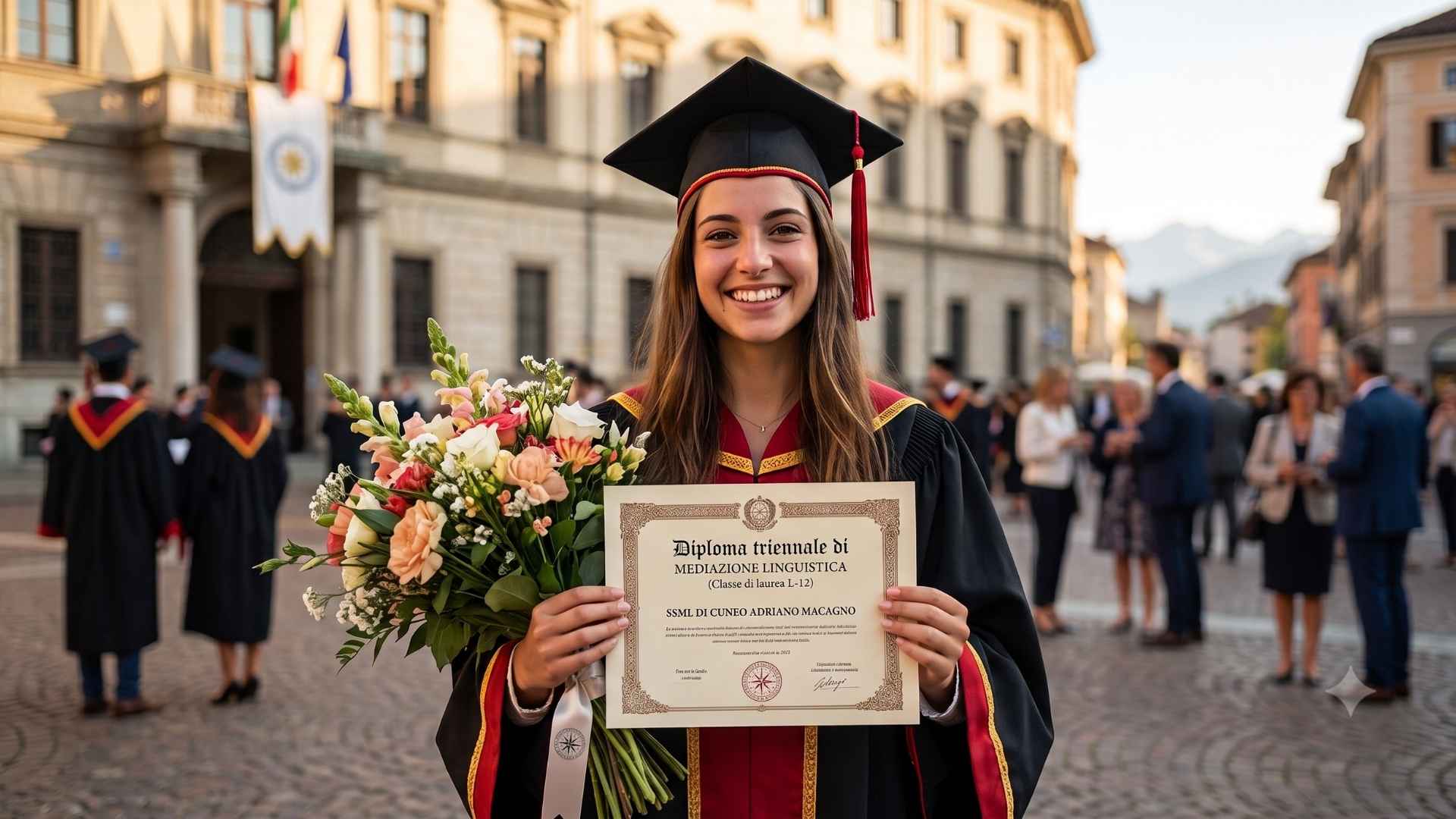
Le SSML sempre più integrate nel sistema universitario Italiano
Le Scuole Superiori di Mediazione Linguistica (SSML) consolidano il loro ruolo all’interno del sistema universitario italiano.Sulla Gazzetta Ufficiale della Repubblica Italiana del 26 giugno 2026 è stato pubblicato il Decreto del Ministero dell’Università e della Ricerca del 18 maggio 2026, n. 110 che introduce un nuovo regolamento destinato a rafforzare queste istituzioni e ad elevare…
Read article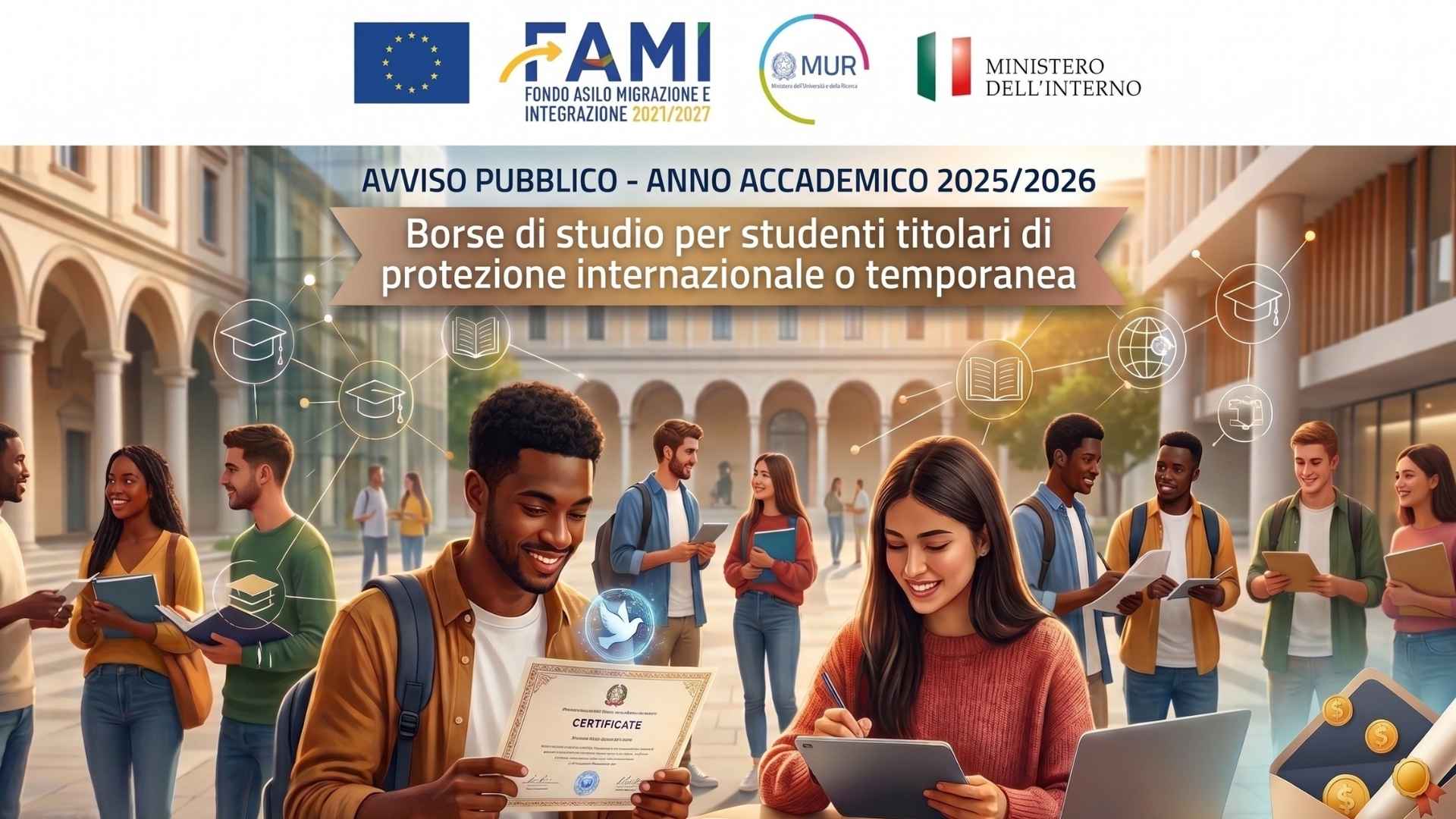
Avviso pubblico – Borse di studio per studenti titolari di protezione internazionale o temporanea
Avviso per l'assegnazione di borse di studio
Read article
Studying in Italy: A Guide to Visa Deadlines for the 2026-2028 Period
Are you interested in studying in Italy? Read our Guide to Visa Deadlines (2026-2028)
Read article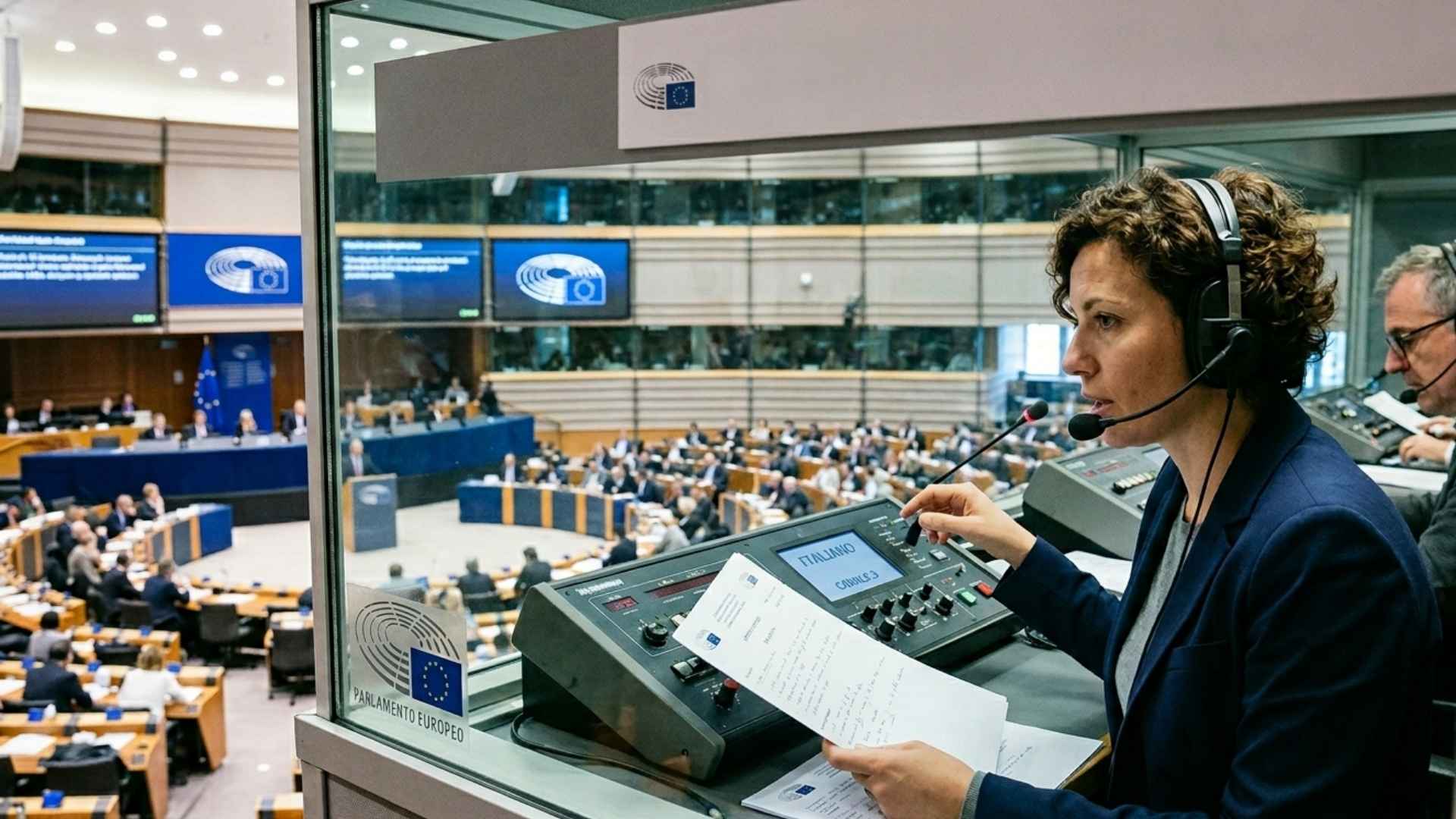
Europe is Yours – The role of interpreters in the European Parliament
Interpreters are what make the European Parliament’s multilingual democracy possible, allowing representatives from different countries to understand each other and work together. But how do they manage to handle 24 languages and hundreds of combinations in real time?
Read article
Europe is Yours – The European Parliament: the democratic heart of the EU
The European Parliament is the heart of EU democracy and the only institution directly elected by citizens. Together with the Commission and the Council, it shapes the laws and decisions that impact millions of people across Europe. But how does it actually work, and why does it matter to you?
Read article